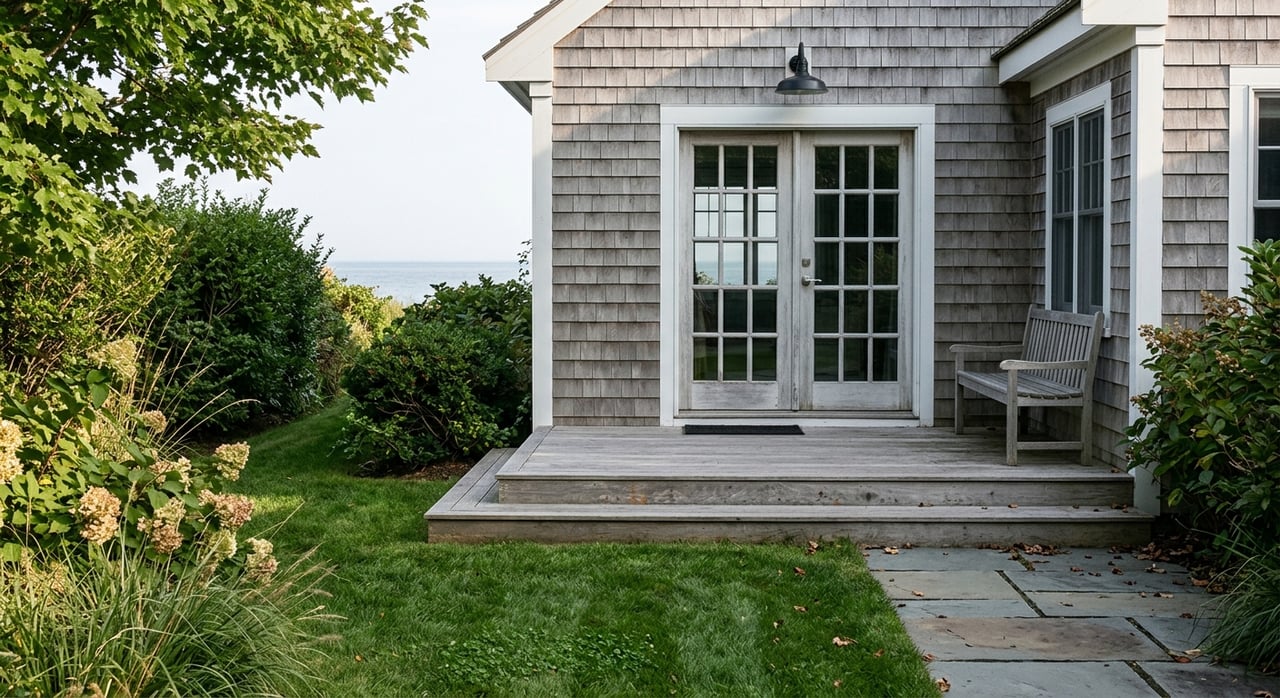
Warwick RI Waterfront Homes vs Inland Neighborhoods
May 21, 2026
May 21, 2026
If you are torn between a place near the bay and a more inland neighborhood, you are not alone. Warwick gives you both options, and they can feel very different in daily life, budget, and long-term upkeep. The good news is that once you understand the tradeoffs, your choice gets much clearer. Let’s dive in.
Warwick’s 39 miles of shoreline shape the city in a big way. Local planning documents treat waterfront neighborhoods as a distinct housing environment from the more conventional inland suburban areas.
That matters because buying in Warwick is not just about price. It is about choosing between two different ownership experiences, each with its own lifestyle, risks, and routines.
Along the shoreline, the housing stock is varied. The city describes everything from modest cottages in Oakland Beach to elevated homes on small lots in Conimicut, plus larger historic estates and newer single-family and condominium development on Warwick Neck.
In inland northern and central Warwick, the pattern is more traditionally suburban. The city describes these areas as largely early- and mid-20th-century expansion built around single-family homes, with some multi-family pockets along major roads.
For many buyers, the appeal of waterfront Warwick is easy to understand. You are not just paying for a view. You are buying closer access to beaches, boating, fishing, and shoreline recreation.
The city highlights that waterfront living in Warwick comes with beaches, boating, fishing, and cool breezes. Oakland Beach, for example, includes public beach access, a boat ramp, nearby restaurants, and summer lifeguard service.
Conimicut Point Park is also known for scenic views and a peaceful setting. If your ideal weekend includes time by the water, that kind of access can be a meaningful part of your decision.
Some shoreline areas also carry a vacation-like feel because of their history. Warwick’s planning documents note that places like Oakland Beach, Mark Rock, and Conimicut once developed as summer resort communities with seasonal cottages, and the city recorded an increase in seasonal or recreational homes from 2010 to 2020.
That does not mean waterfront homes are only seasonal. It does mean some shoreline inventory may differ from standard year-round suburban housing in layout, age, lot size, and how buyers value it.
If your priority is simpler day-to-day ownership, inland Warwick may be the better fit. You usually trade some direct water access for a more conventional suburban setup and easier connection to key travel routes.
That can be especially helpful if your routine includes commuting or frequent travel. City Centre Warwick is centered around the airport and the InterLink commuter rail station, which offers MBTA commuter rail service between Warwick, Providence, and Boston, along with a bus hub.
Central and inland locations can also appeal to buyers who want a broader mix of standard single-family homes and condos. Areas near Post Road, the Airport Connector, Interstate 95 access, and the InterLink may offer convenience that waterfront buyers are willing to give up.
For some households, that trade is worth it. You may care less about beach access and more about predictable travel times, less weather exposure, and a property style that feels more familiar.
The biggest difference between waterfront and inland buying in Warwick is not lifestyle. It is risk.
Rhode Island coastal guidance makes clear that waterfront and coastal properties face greater flooding risk because of storms and sea-level rise. It also states that standard homeowner’s insurance does not cover coastal flooding.
If a home is in a FEMA high-risk flood zone, flood insurance is generally required for a mortgage. Buyers also need to price their own separate flood policy rather than assume the seller’s current premium will apply to them.
This is where careful due diligence matters. Official Rhode Island guidance recommends checking the FEMA Map Service Center and RIEMA’s floodplain mapping tool for the exact property address, flood zone, and base flood elevation.
An elevation certificate is also important because it helps estimate flood insurance pricing. Recent NFIP pricing changes mean a seller’s current flood premium may not be a reliable estimate for your future cost.
Even if a property is not in a high-risk zone today, future exposure still deserves attention. Rhode Island planning and emergency guidance note that sea-level rise and storm surge can change the long-term floodplain over time.
Waterfront ownership can also mean more complex maintenance decisions. Salt air, moisture, drainage, and shoreline conditions can all affect how a property performs over time.
In Rhode Island’s coastal zone, shoreline protection structures such as seawalls and revetments are regulated, and alterations or maintenance require permits. Coastal septic systems are also regulated separately.
Warwick’s own planning documents add another layer. About 70 percent of developed parcels in the city are sewered, but some low-lying coastal areas rely on pump stations, and Warwick Neck has experienced a high rate of septic failure that made it a sewering priority.
For buyers, that means the house itself is only part of the picture. You also want to understand drainage, sewer or septic setup, elevation, and what future maintenance may look like before you commit.
When buyers think about flood risk, they often focus only on the home. In coastal Warwick, access routes also matter.
Rhode Island’s sea-level-rise transportation analysis identifies Warwick corridors such as Point Avenue and Shawomet Avenue among routes affected at 3 feet of sea level rise. That does not tell you what will happen to any one property, but it is a practical reminder to consider how you get in and out of an area.
This is one reason inland locations can feel simpler. You may have fewer concerns about whether weather, storm surge, or future flooding could affect your normal travel patterns.
Buyers often assume waterfront always means dramatically higher pricing. In Warwick, the reality is more nuanced.
As of spring 2026, citywide public benchmarks sit in the low-to-mid $400,000s depending on the source and metric. Zillow’s Warwick home value was $419,036 as of April 30, 2026, and Redfin reported a March 2026 median sale price of $451,500.
Waterfront listings show a wide spread. Current examples range from around $450,000 and the $500,000s into the high six figures, with some properties listed at $2.3 million and $4.95 million, plus waterfront land priced much lower.
But inland areas also show broad pricing. Current listing snapshots in Cowesett range from roughly $399,000 to $900,000, while Greenwood and Apponaug also span from more entry-level options to substantially higher-priced homes.
The key takeaway is simple: Warwick does not have a neat waterfront-versus-inland price line. Waterfront often carries a premium for views, frontage, and access, but that premium is shaped by flood zone, elevation, lot size, condition, and ongoing carrying costs.
That is why some inland neighborhoods can overlap with or exceed some shoreline pricing. A well-located inland home may outprice a smaller or more exposed waterfront property.
The right choice depends on what you want your home to do for your life. A waterfront home and an inland home can both be smart purchases, but for different reasons.
Warwick as a whole has seen meaningful long-term appreciation. The city’s housing chapter reports that the median single-family sale price rose from $165,000 in 2013 to $377,000 in 2023, while owner-occupied home values increased 34 percent between the 2012 and 2022 ACS periods.
That tells you the broader market has strengthened across both inland and waterfront segments. It does not mean every property performs the same way, especially when coastal risk and property-specific costs are part of the equation.
In practical terms, the best move is to match the property type to your priorities. If you want scenery and water access, focus on resilience, insurance, and infrastructure. If you want convenience and simpler ownership, inland Warwick may give you a cleaner fit.
Warwick offers a spectrum, not a single answer. That is exactly why local guidance matters when you are comparing one neighborhood, street, or property type against another.
If you are weighing waterfront versus inland neighborhoods in Warwick, the right advice can save you time, stress, and costly surprises. The Phipps Team at Compass can help you compare lifestyle, pricing, and property-specific factors so you can move forward with confidence.
October 22, 2026
October 15, 2026
October 8, 2026
October 1, 2026
September 24, 2026
Phipps Team | September 17, 2026

September 10, 2026
September 3, 2026
August 27, 2026
Whether buying or selling homes, unlock a seamless and personalized experience tailored to your unique needs. Let's navigate the Rhode Island real estate market together and turn your dreams into reality.