Thinking about listing your Warwick home but not sure where to start? You want a clear plan that respects your time, maximizes your sale price, and avoids last‑minute surprises. This guide gives you a practical, local roadmap for Warwick sellers, from required disclosures and common repair priorities to pricing, staging, and a simple 6‑week timeline. You will walk away with a step‑by‑step plan you can use to interview agents and prepare your home with confidence. Let’s dive in.
Quick market snapshot (Feb 2026)
If you are aiming to list this season, the data is encouraging. Recent aggregator estimates place Warwick’s median sale price in the low to mid $400Ks, with typical time on market running 2 to 6 weeks depending on neighborhood and condition. Expect faster activity at entry and mid‑range price points, with added interest for well‑presented coastal homes.
Buyer demand in Warwick often comes from commuter families to Providence, first‑time buyers in lower price bands, and move‑up buyers in mid‑range areas. Waterfront and coastal properties also attract local and out‑of‑area interest, including from NY, CT, and MA. Neighborhood performance varies by ZIP (02886, 02888, 02889), so a narrow, recent CMA is essential.
Your step‑by‑step listing plan
Follow these steps to hit the market prepared, avoid delays, and protect your net proceeds.
1) Choose the right listing partner
- Interview for process, not promises. Ask for a neighborhood‑level CMA built from the last 6 to 12 months, a written 6‑week pre‑listing plan, and a sample net sheet for your likely price range.
- Look for full‑service marketing. You want professional photography, floor plans, a 3‑D tour, targeted digital ads, and strong agent‑to‑agent outreach.
- Ask about national reach plus local care. A boutique, multigenerational team backed by a strong platform can deliver both hands‑on service and wide distribution.
2) Complete required Rhode Island disclosures early
- Rhode Island requires sellers to deliver a written property condition disclosure to buyers (and to agents) before a purchase agreement is signed. The statute covers items like year built, heating, wells, septic or cesspools, floodplain or wetlands, mold, ventilation, moisture penetration, easements, and building‑permit history. You must also provide a receipt that the disclosure was delivered before you accept an offer. See the details in Rhode Island’s property condition disclosure law.
- If your home uses a cesspool or private well, expect buyers to ask for testing and documentation. Rhode Island’s rules and the standard inspection window make this a frequent focus in Warwick.
3) Order targeted pre‑listing inspections and make high‑impact repairs
- Consider a seller’s inspection 6 to 4 weeks before listing. This helps you decide whether to fix issues or offer credits and reduces renegotiation risk after you accept an offer.
- Prioritize safety and water issues first: roof leaks or worn shingles, active water intrusion or basement moisture, missing or outdated GFCI protection, old electrical panels or amateur wiring, chimney deterioration, failing boilers or aging water heaters. National inspection data show roof and electrical defects are among the most common flagged items during buyer inspections. For a broader checklist, review national inspection data on common repair items.
- For homes built before 1978, prepare lead paint documentation as applicable. If you have a septic or cesspool system, schedule a septic inspection early and gather your maintenance records per state disclosure requirements.
4) Gather permits and coastal documentation
- Pull your permit history and highlight permitted work. Unresolved unpermitted additions can delay a sale and should be disclosed.
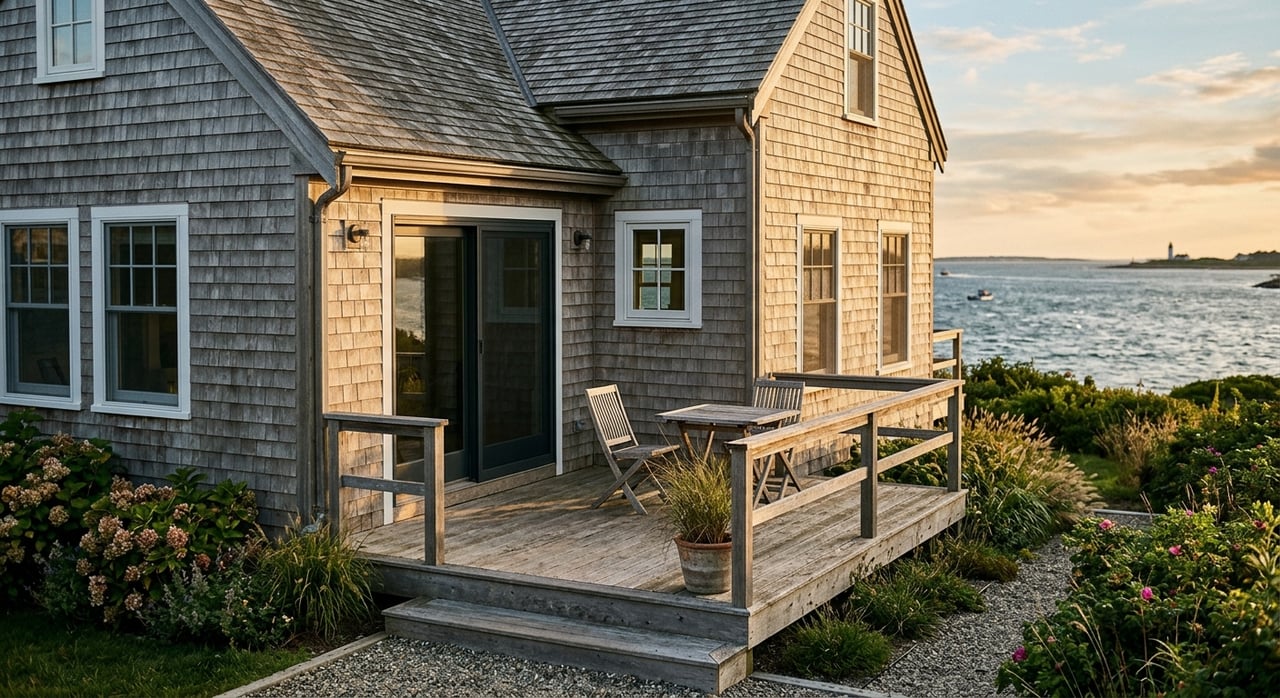
- For coastal or flood‑prone areas like Oakland Beach, Conimicut, or Buttonwoods, have elevation information, any flood claims history you know about, and flood insurance details ready. Buyers and their lenders review FEMA Flood Insurance Rate Maps, and the city references these in Warwick’s hazard mitigation plan.
5) Price to the neighborhood and timing
- Build a tight CMA by ZIP and micro‑area, adjusting for condition, lot, and recent updates. Recompute within 48 to 72 hours of going live to catch the latest comps.
- Slight underpricing can increase traffic in Warwick’s mid‑range. Overpricing often leads to extra time on market and price cuts. Your strategy should fit your goals, timeline, and property type.
6) Stage, photograph, and market for speed and strong offers
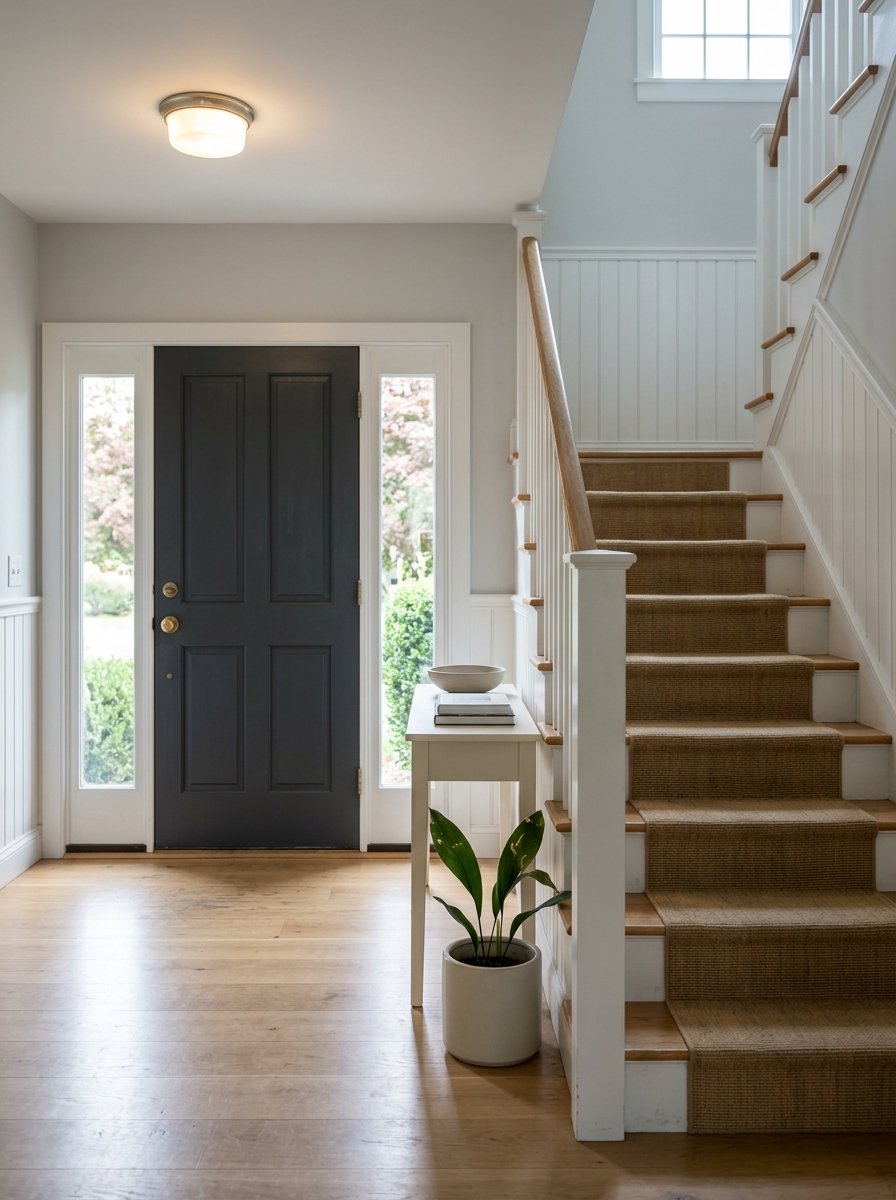
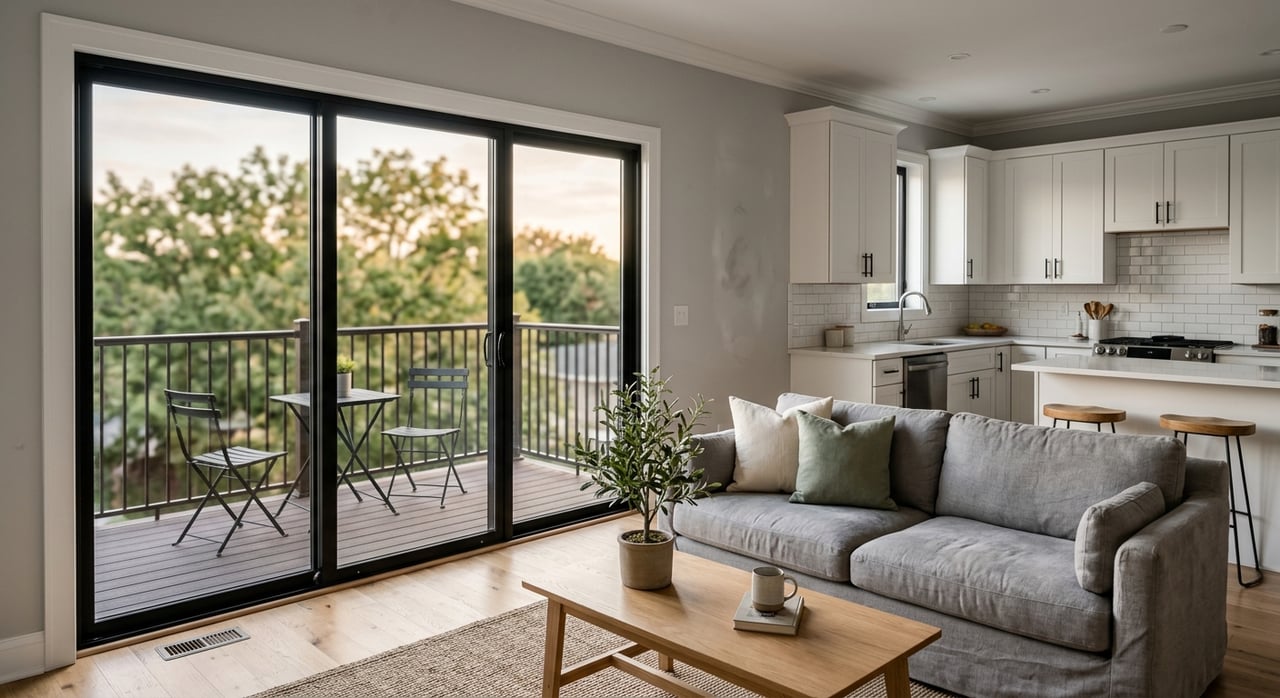
- Professional photography, a floor plan, and a 3‑D tour are high‑impact. Industry research finds that well‑staged, professionally photographed homes tend to sell faster and closer to list price. The NAR 2025 Profile of Home Staging reports that many agents see staging reduce time on market and lift offer prices. Prioritize the living room, primary bedroom, and kitchen.
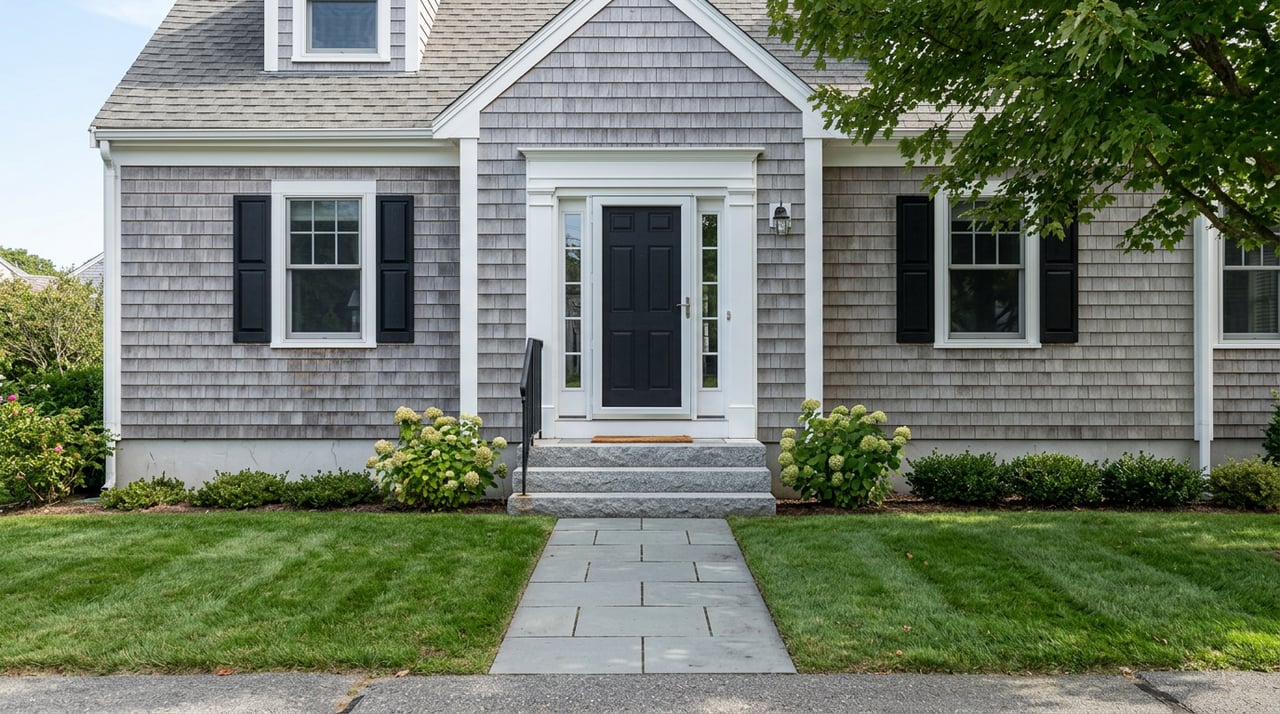
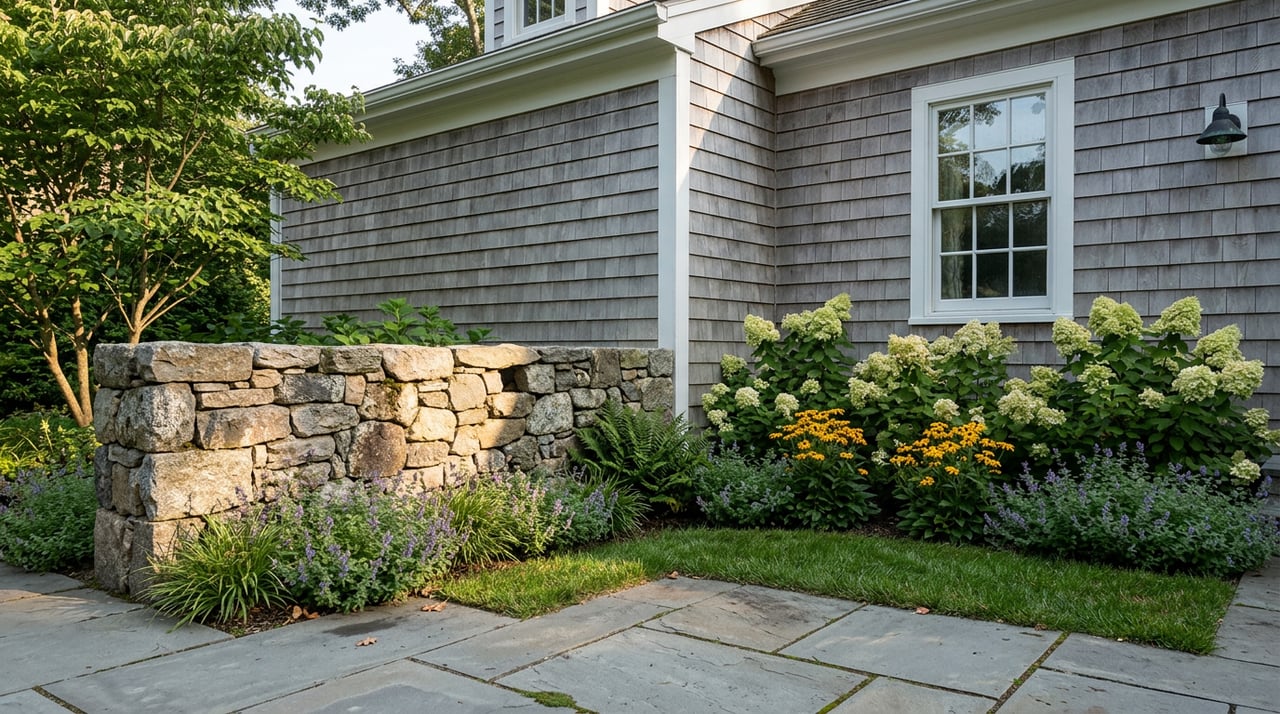
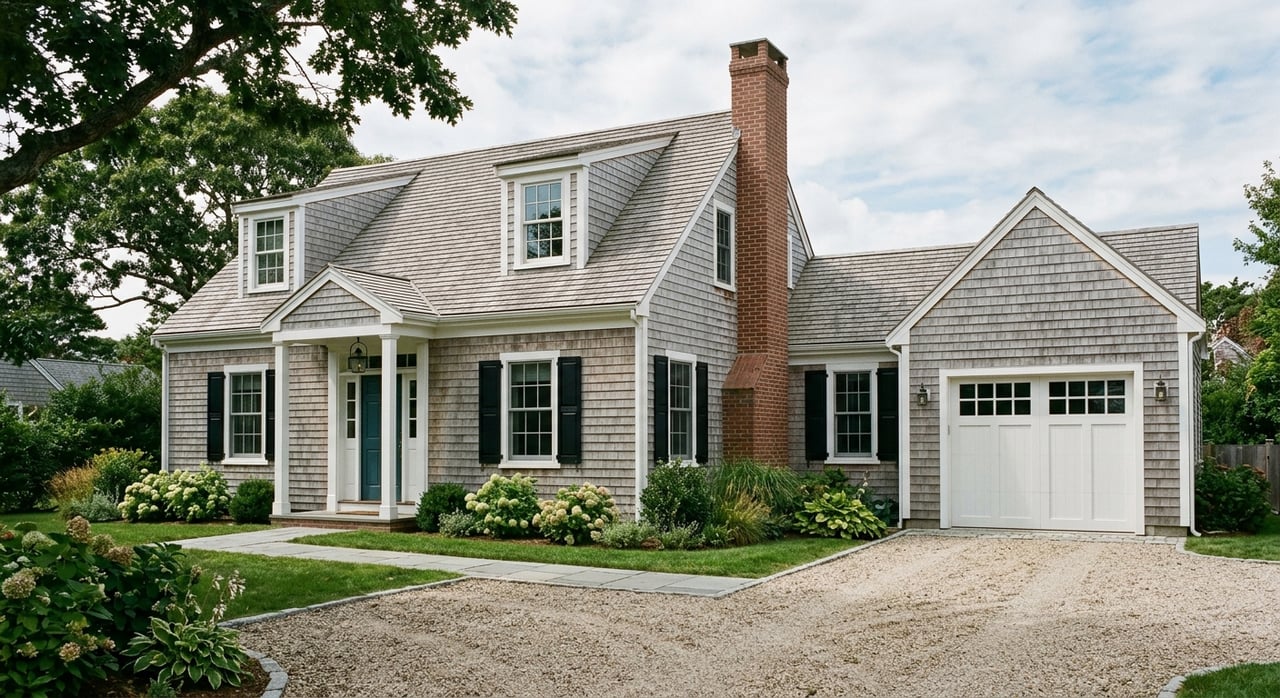
- Declutter and neutralize. Fresh paint, simple landscaping, and minor hardware updates are low‑cost moves with strong returns in days‑on‑market. Disclose any virtual staging used.
- Use a modern media mix. In Warwick, pair MLS and brokerage syndication with targeted ads to nearby ZIP codes and Providence commuters, neighborhood and drone videos for coastal properties, and email blasts to buyer agents. Consider a 3 to 7 day showing window to build momentum while limiting interruptions.
Showing strategy that works in Warwick
- Plan around commuter schedules. Weeknight and weekend windows often produce the best traffic.
- Prepare flood information for coastal listings. Elevation details, flood insurance documentation, and a clean, well‑staged interior help buyers visualize value and reduce uncertainty.
- Keep the home spotless and neutral. Remove personal items and pet traces, use bright lighting, and set clear instructions for lockbox and access.
A 6‑week pre‑listing timeline you can follow
Use this as a printable checklist and adapt it to your schedule.
- Weeks 6 to 4
- Hire your listing partner and align on goals.
- Gather permits, repairs, tax info, utility averages, and any existing elevation or flood documents.
- Order a seller’s inspection or targeted inspections (roof, chimney, HVAC, septic or cesspool, well water). If you have a cesspool or private well, schedule specialized tests early, and complete your state disclosure draft now per Rhode Island law.
- Weeks 4 to 3
- Decide on repairs versus credits and schedule contractors. Pull any required permits for permitted work.
- Finalize a staging plan and book the photographer and floor plan vendor 1 to 2 weeks ahead.
- Week 2
- Complete cosmetic updates: neutral paint, deep clean, declutter, mulch and trim, replace tired hardware or lighting if helpful.
- Finalize list price range and marketing copy. Confirm disclosures and showing instructions.
- Week 1
- Execute marketing: professional photos, floor plan, and 3‑D tour.
- Launch agent previews, email buyer‑agent lists, and targeted advertising. List early in the week to capture weekend demand.
- Listing week
- Host broker previews and showings. If multiple offers are likely, set a clear offer review date and communication plan.
- Share your pre‑listing inspection summary and receipts for recent work to build buyer confidence.
What it costs to sell in Rhode Island
Every sale is unique, but here is what most Warwick sellers can expect.
- Commission. Local surveys place average total commission in Rhode Island roughly around 5 to 5.7 percent, split between the listing and buyer’s broker. Commission is negotiable and should reflect your marketing plan and property type.
- State conveyance tax. Rhode Island increased the real estate conveyance tax using a tiered, per‑$500 structure effective October 1, 2025, with technical changes continuing in 2026. Sellers typically pay this tax at recording unless negotiated otherwise. Review the RI Division of Taxation’s conveyance tax notice and ask your agent or closing attorney for exact figures for your price point.
- Title and closing. Sellers in Rhode Island often pay for owner’s title policy, recording and attorney fees, and prorated taxes. As a planning range, many sellers budget about 6 to 10 percent of the sale price for all costs combined, including commission, title, conveyance tax, and typical fees. Ask for a written net sheet specific to your property, mortgage payoff, and timeline.
- Property taxes. For budgeting prorations, note that Warwick’s FY2026 residential rate is listed at $13.34 per $1,000 of assessed value. Confirm the final certified rate with the city assessor before quoting tax figures. See Warwick’s FY2026 residential tax rate.
Local red flags that delay sales
You can often resolve these before listing with strategic planning and documentation.
- Active water intrusion or visible mold, roof leaks, or chronic basement moisture. Tackle the source, then repair and document.
- Septic, cesspool, or well issues without a plan. Get inspections and estimates early and disclose findings per state law.
- Unpermitted work. Consult the city and your agent on how to disclose and address.
- Floodplain questions. Prepare elevation details and insurance information, especially in coastal neighborhoods noted in Warwick’s hazard mitigation plan.
How we help you move with confidence
You deserve a trusted, steady guide and premium marketing that meets the moment. With four generations of local experience and Compass‑powered distribution, our team pairs neighborhood fluency with national reach. We help you:
- Price precisely with a neighborhood‑level CMA and go‑live timing that matches buyer patterns.
- Prepare smartly with a clear 6‑week checklist, targeted inspections, and a plan for repairs versus credits.
- Market beautifully with pro photography, floor plans, and 3‑D tours, plus targeted ad campaigns that reach Providence commuters and out‑of‑state buyers.
- Navigate disclosures, coastal considerations, and closing costs with proactive documentation and a detailed net sheet.
If you are ready to list or want a second opinion on your plan, connect with the Phipps Team at Compass. We will tailor this roadmap to your Warwick home and timeline.
FAQs
Do I need a pre‑listing inspection in Warwick?
- A pre‑listing inspection can reduce surprises, let you control repair timing and contractor choice, and help you price or credit strategically; order it 6 to 4 weeks before listing so you can act on findings.
How much should I spend on upgrades before listing?
- Focus first on safety and water issues (roof, electrical, moisture, heating), then invest in high‑ROI cosmetic work like neutral paint, decluttering, and curb appeal; the NAR 2025 staging report notes staging often reduces time on market and can boost offers.
What local issues most often derail Warwick sales?
- Active water intrusion or mold, unresolved septic or cesspool problems, significant unpermitted work, and undisclosed easements or wetlands constraints called out in Rhode Island’s disclosure law can all slow or jeopardize a sale if not addressed early.
Do I need flood information for a coastal Warwick home?
- Yes; buyers, lenders, and insurers review FEMA flood maps and ask about elevation certificates and prior flood claims, so prepare those details using city resources such as Warwick’s hazard mitigation plan.
How long will it take to sell a Warwick home in 2026?
- As of early 2026, many Warwick listings move in roughly 2 to 6 weeks depending on price point, neighborhood, condition, and marketing; precise pricing and strong presentation often shorten time on market.