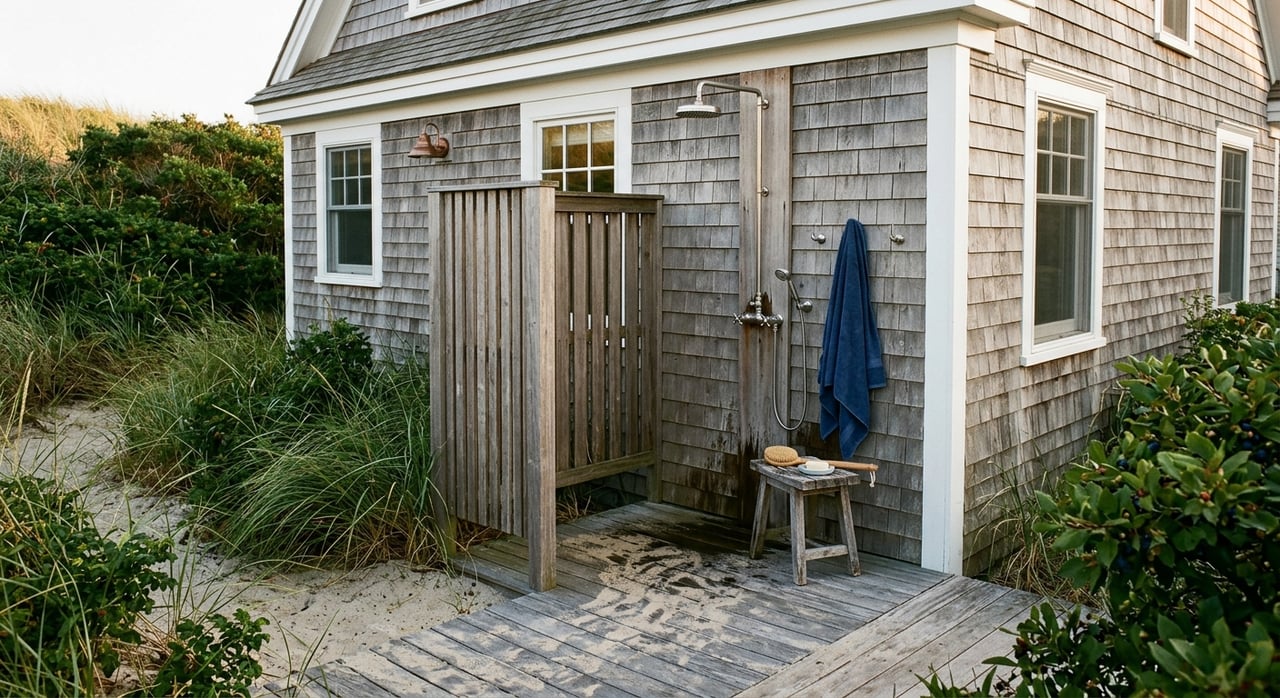
Owning a Beach House in Narragansett: What Buyers Should Know
May 7, 2026
May 7, 2026
Dreaming about a beach house in Narragansett? The reality is appealing, but it is also more practical than many buyers expect. When you own here, you are not just buying ocean views and summer memories. You are also taking on parking rules, storm planning, maintenance needs, and sometimes rental regulations. If you want the full picture before you buy, this guide will walk you through what beach-house ownership in Narragansett really feels like. Let’s dive in.
Owning in Narragansett means living on a clear seasonal rhythm. The town feels most active from late spring through Labor Day, when beach activity, parking demand, and visitor traffic all increase. In the off-season, the pace tends to feel quieter and more coastal-residential.
That shift matters when you think about how you will use the home. A summer-focused second home may give you exactly the energy you want during peak season, while a year-round property can offer a very different experience once the busiest months pass. In Narragansett, the calendar shapes daily life almost as much as the location does.
One of the biggest perks of owning here is easier access to town beach amenities that are tied to resident or taxpayer status. The Town of Narragansett requires proof of ownership or current tax documentation for certain seasonal beach and parking passes. That makes ownership feel more connected to the town’s systems than a simple vacation-house purchase might suggest.
At Narragansett Town Beach, the 2026 fees included adult seasonal admission passes for $25, youth passes for $10, senior passes at no charge, seasonal parking stickers for $50, and resident or taxpayer transferable beach passes for $100. Daily parking was listed at $10 on weekdays and $15 on weekends and holidays. Those details help show how often owners plan around beach access and parking.
Parking is a major part of summer life. The town beach has about 1,000 parking spaces, with nonresident parking limited mainly to the West Lot and some weekday access to the South Lot depending on conditions. If your goal is easy beach days, understanding those logistics matters just as much as understanding the house itself.
In Narragansett, parking is not a small detail. It can affect how you host guests, how easily you get to the shoreline, and how much flexibility you have during busy summer weekends. That is especially true in the Pier area and Scarborough Hills, where residential parking permits are required during the summer.
There is also a winter street-parking ban in certain situations from November 1 to May 1 during specific National Weather Service advisories and warnings. So even outside beach season, local rules can affect how you use your property. If you are buying a beach house here, it helps to think beyond the lot lines and understand the town’s broader parking framework.
A beach house in Narragansett does not mean one single lifestyle. Different parts of town feel very different from one another, even though they share the same coastal setting. Choosing the right area is often about matching your priorities to the character of each location.
Narragansett Pier is the town’s best-known coastal center. Town planning documents describe it as the area around Narragansett Avenue, The Towers, the Pier Marketplace, and nearby civic and recreational uses. It is the part of town many buyers picture first when they think about a traditional seaside Narragansett experience.
That said, the town also notes limited parking and a visual and physical disconnect between the marketplace and the Town Beach and seawall. In practical terms, that means charm and activity come with trade-offs. If you want to be close to the center of things, it is wise to expect a more active environment and tighter logistics.
Bonnet Shores has a different ownership experience. Town planning materials describe it as a former summer colony with modest homes on small lots that have seen substantial renovation over time. That background helps explain why the area can feel more varied in housing style and lot configuration.
The town also notes that Bonnet Shores houses a substantial number of college students during the school year. For buyers, that is an important piece of the real-world picture. You may love the coastal setting, but you should also understand how the area functions across different times of year.
If your idea of a beach house is strong proximity to major shoreline activity, Scarborough stands out. Scarborough State Beach is described by the town as Rhode Island’s most popular and well-known beach, with about 2,325 feet of frontage on a 26-acre site. That gives this side of town a distinctly beach-driven feel.
With that comes heavier traffic and a busier atmosphere in peak season. For some owners, that is the whole point. For others, it may feel like more activity than they want near a second home.
Galilee and Point Judith offer another version of coastal ownership. The town describes the Port of Galilee as an authentic working New England fishing village with restaurants, shops, a hotel, charter fishing, sightseeing tours, and year-round ferry service to Block Island. That creates a more maritime, working-waterfront atmosphere than a classic resort setting.
If you are drawn to a harbor-oriented environment, this part of Narragansett may feel especially appealing. It offers a different kind of coastal identity, one shaped as much by boats and fishing activity as by the beach itself.
A beach house can be beautiful, but coastal conditions are demanding. In Narragansett, ownership often means more than ordinary maintenance because salt air, storms, and moisture can affect how a home ages and how improvements are handled. This is one reason experienced local guidance matters.
Town rules add another layer. Narragansett requires building permits for work like re-siding and re-roofing, along with fence permits and separate Right-of-Way permits for certain work at the property edge, such as driveways, storm-drain connections, or plantings. That means even routine-looking projects may involve more planning than buyers expect.
If a project needs formal site review, the town says the process typically takes about two months and may involve both Planning Board and Zoning Board steps. In other words, updating a coastal property can take time. It is smart to factor that into both your budget and your timeline.
Narragansett is clear about its exposure to coastal hazards. The town says it is especially vulnerable to coastal flooding, hurricanes, and tropical storms, and it participates in FEMA’s National Flood Insurance Program. The town also notes that standard homeowners insurance typically does not cover flooding.
That does not mean beach-house ownership is a bad idea. It means you should approach it with open eyes. In Narragansett, owning near the water is often part lifestyle and part storm-readiness.
The town’s resilience work identifies coastal flooding, erosion, stormwater flooding, and extreme heat as priority hazards. It also offers parcel-specific flood information, including flood zones and base flood elevations. Before you buy, it is worth understanding exactly how a specific property fits into that risk picture.
Some older coastal homes require more due diligence below the surface. Town planning history for parts of the North End and Narrow River areas points to historic high-water-table and septic issues, along with water-quality concerns that helped drive sewer infrastructure investment. That is a reminder that not every ownership question is visible during a showing.
If you are considering an older home, drainage, wastewater setup, and site conditions deserve careful attention. This is especially true in coastal locations where wet soils can complicate repairs and long-term upkeep. A thoughtful review now can help you avoid expensive surprises later.
For many second-home buyers, rental income is part of the appeal. In Narragansett, that opportunity is real, but the rules are detailed. The town distinguishes between regular rentals longer than 30 days and short-term rentals under 30 days, while also stating that short-term rentals must be at least seven nights.
The town’s short-term rental ordinance requires a permit before advertising or renting. The permit is not transferable, expires when the property is sold, and requires inspection by the Building Official and Fire Marshal. Owners also must designate a local representative who is available 24 hours a day, seven days a week.
Rhode Island also requires state registration for short-term rentals through the Department of Business Regulation, and if a municipality has its own registration requirement, owners must register with both. On top of that, Rhode Island tax rules effective January 1, 2026 apply a 2% local hotel tax to all short-term rentals, and whole-home rentals of 30 days or fewer are also subject to a new 5% whole-home short-term rental tax and 7% sales tax.
One more important note is that Narragansett’s own rental-registration page tells owners to confirm the current process with the Building Inspector. The town also states that the short-term rental permit pool will be capped at 900 for the permit year beginning in September 2026, with a waiting list if applications exceed that cap. So if rental use is part of your plan, you should treat it as a regulated business activity, not a casual add-on.
The cost of a Narragansett beach house is not limited to your mortgage and regular upkeep. You may also be budgeting for flood insurance, seasonal parking, beach access, storm preparation, permit-related work, and property improvements that can be more complex in a coastal setting. Those costs are not unusual here, but they should be part of your planning from the start.
It is also helpful to know that the town collects taxes and utility bills on a quarterly schedule. For some buyers, that is a small detail. For others, especially second-home owners managing multiple properties, it can make budgeting and cash-flow planning easier.
At its best, owning a beach house in Narragansett means waking up near the water, building your year around the coast, and having a place that feels deeply connected to Rhode Island’s shoreline. But the day-to-day reality is practical as well as scenic. You are managing seasonality, local rules, maintenance demands, and coastal risk in exchange for a lifestyle that many buyers find well worth it.
That is why the best beach-house purchase is usually not just the prettiest house. It is the property that fits how you actually want to live, visit, maintain, and possibly rent. When you understand that full picture, you can buy with more confidence and fewer surprises.
If you are thinking about buying or selling a beach house in Narragansett, the right local guidance can make all the difference. Phipps Team at Compass brings deep Rhode Island roots, full-service residential expertise, and seasoned support for coastal and second-home transactions.
October 22, 2026
October 15, 2026
October 8, 2026
October 1, 2026
September 24, 2026
Phipps Team | September 17, 2026

September 10, 2026
September 3, 2026
August 27, 2026
Whether buying or selling homes, unlock a seamless and personalized experience tailored to your unique needs. Let's navigate the Rhode Island real estate market together and turn your dreams into reality.