Living in Lincoln RI: A Guide to Parks, Villages & Daily Life
February 5, 2026
February 5, 2026
Craving a town with small-village charm and big outdoor perks, all within easy reach of Providence? If you are exploring Lincoln, you are likely weighing daily convenience, neighborhood feel, and where to spend your weekends. In this guide, you will learn how Lincoln’s historic villages shape daily life, where locals go to get outside, what commutes look like, and the kinds of homes you will find. Let’s dive in.
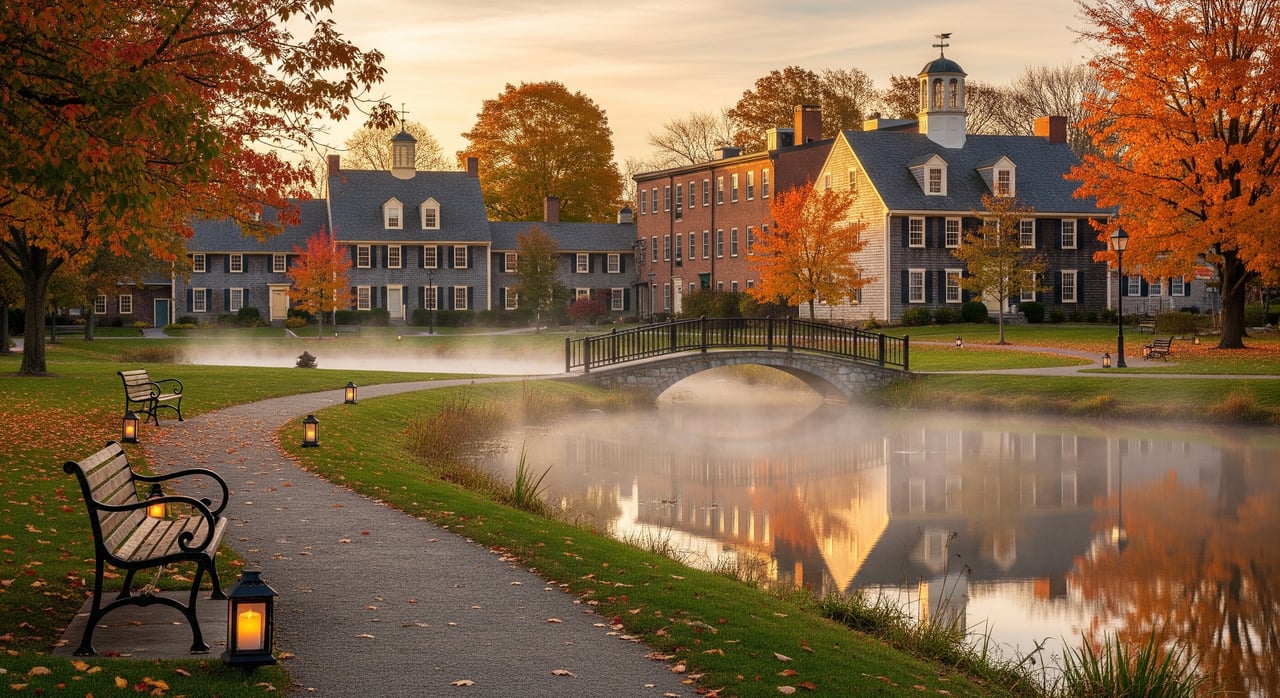
Lincoln is a suburban and semirural town just north of Providence. Its identity grew around water-powered mills on the Blackstone River, which created multiple small villages rather than one central downtown. The result is a town that feels different from block to block, with older grid streets near the river and newer subdivisions on higher ground.
Village names you will hear often include Lonsdale, Manville, Albion, Saylesville, and the Lincoln town center. Near the river, you will see compact streets, neighborhood churches, and historic mill buildings, some of which have been converted into apartments or offices. These areas can feel more walkable to small shops and services depending on the block. For maps, zoning, and local planning context, start with the Town of Lincoln official site.
Away from the river corridor, you will find post-war neighborhoods and newer subdivisions with larger lots. Streets are often wider, and some areas have a more traditional suburban layout. Utilities and sidewalks can vary by village and neighborhood, so it helps to verify details for a specific address.
Lincoln shines when it comes to easy outdoor access. You have options for hiking, paddling, biking, youth sports, and relaxed weekend picnics.
A regional favorite, Lincoln Woods offers trails, ponds, swimming areas, and picnic spots. Many residents use it for day hikes, mountain biking, and non-motorized boating where allowed. Before you go, review current facilities and seasonal rules on the Rhode Island DEM’s Lincoln Woods State Park page.
The Blackstone River Valley National Historical Park preserves the mill history that shaped this region and adds miles of scenic places to explore. You can learn about historic sites and plan a visit through the National Park Service’s Blackstone River Valley page. The river corridor also hosts multiuse paths, including segments of the Blackstone River Bikeway.
The town maintains neighborhood parks, athletic fields, and seasonal programming like youth leagues and summer activities. Check the Town of Lincoln Parks & Recreation announcements for current schedules, registration, and field locations.
Lincoln’s location north of Providence makes it a practical base for regional commutes. Route 146 connects south into Providence and north toward central Massachusetts, while nearby I-95 serves the broader corridor.
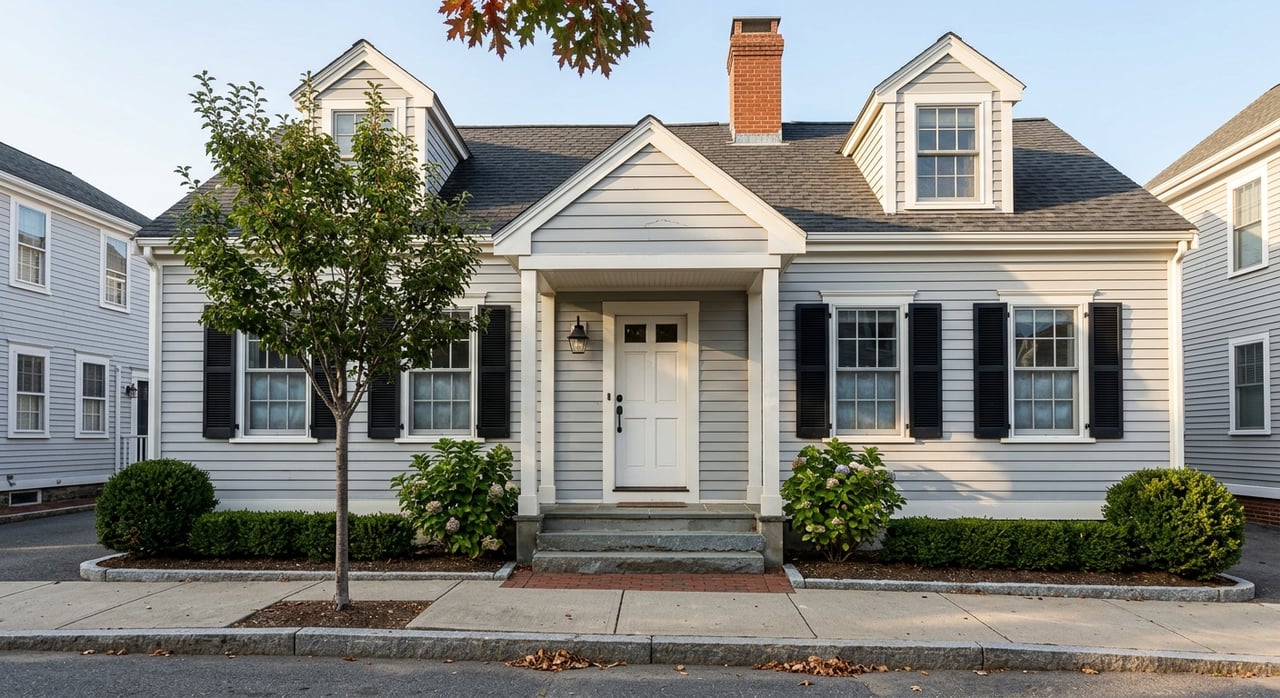
Housing in Lincoln reflects its history and steady growth. You will find a range of styles that influence lot size, renovation needs, and how each neighborhood feels day to day.
If you are early in your search, think first about lifestyle preferences. Village locations can offer more character and potential walkability, while upland neighborhoods often deliver yard space and newer construction.
Lincoln Public Schools serve local students across elementary, middle, and high school levels. For district details and contacts, visit Lincoln Public Schools. If you want data on programming and performance, review the Rhode Island Department of Education’s report cards.
For daily needs, you will find grocery stores, pharmacies, and small retail options in or near village areas and along nearby shopping corridors. Larger medical centers and specialized healthcare are a short drive away in greater Providence.
Every address in Lincoln is a little different. A few checks can help you move forward with confidence.
If you want a town with village character, regional parks, and easy access to Providence, Lincoln is worth a closer look. You can choose a classic mill-village street, a mid-century neighborhood, or a newer upland subdivision based on how you prefer to live day to day. When you are ready to explore homes or compare neighborhoods, lean on a local team that knows the nuances from street to street.
Have questions or want a tailored plan for your move? Connect with the Phipps Team at Compass for a friendly, informed consultation and a clear next step.
June 18, 2026
June 11, 2026
June 4, 2026
May 28, 2026
May 21, 2026
May 14, 2026
May 7, 2026
April 23, 2026
April 16, 2026
Whether buying or selling homes, unlock a seamless and personalized experience tailored to your unique needs. Let's navigate the Rhode Island real estate market together and turn your dreams into reality.