Historic Vs New Homes In Providence: How To Choose
June 18, 2026
June 18, 2026
Trying to decide between a historic home and a newer one in Providence? You are not alone. In a city where many homes were built decades ago and newer infill, adaptive reuse projects, and condo conversions sit side by side, the choice is rarely simple. If you are weighing charm, maintenance, efficiency, and long-term flexibility, this guide will help you compare your options with more confidence. Let’s dive in.
Providence is an older housing market, with the city reporting that 56% of existing housing units were built before 1940. At the same time, the city’s planning framework supports a diverse housing mix that includes adaptive reuse and new construction.
That means your search may include a classic single-family home, a newer infill property, or a condo created from a converted building. In Providence, “historic vs new” is often not a clean split. It is usually a question of which tradeoffs fit your goals best.
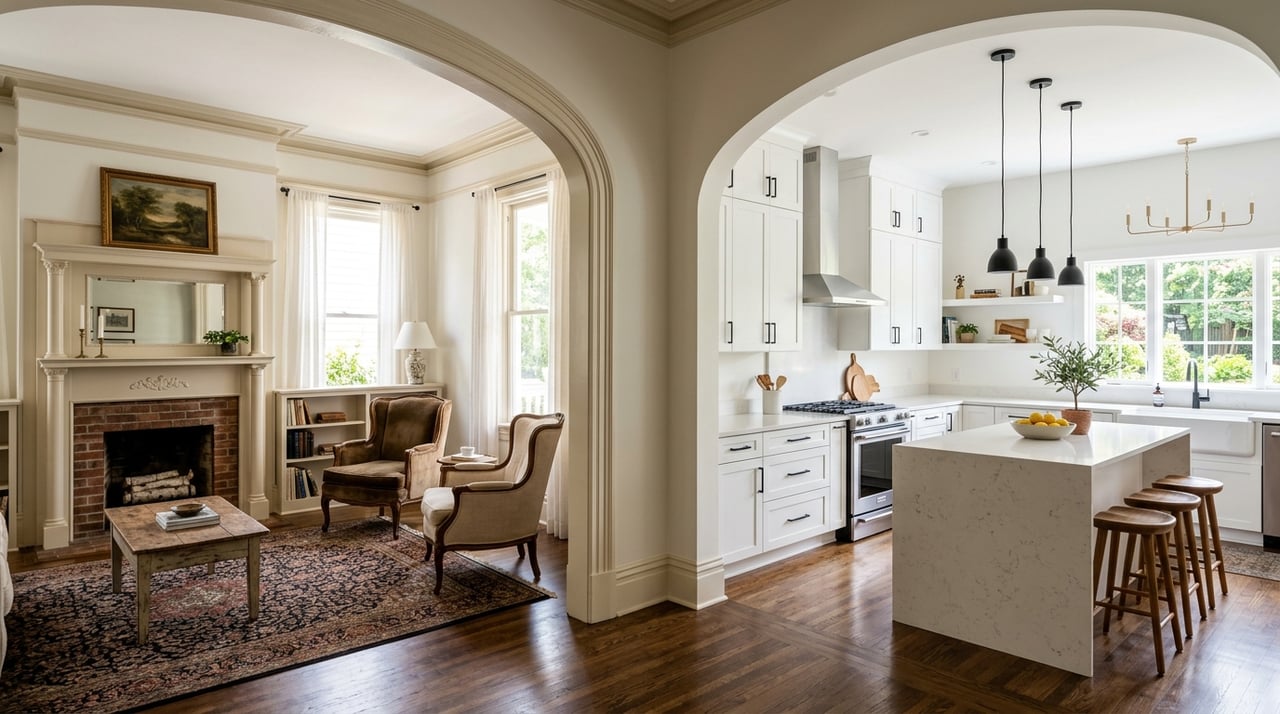
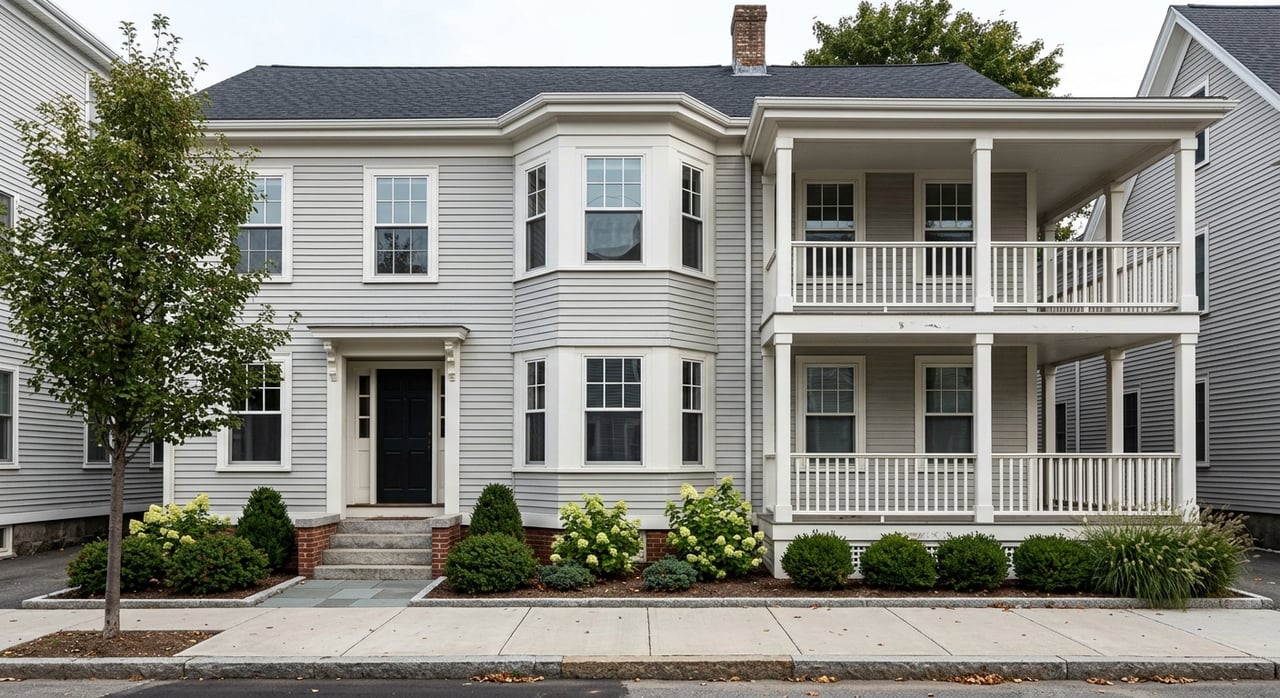
Historic homes in Providence often appeal to buyers who want architectural detail and a strong sense of place. Depending on the property, you may come across Federal, Greek Revival, Second Empire, Queen Anne, Colonial, and triple-decker styles.
For many buyers, the biggest draw is character. Older homes can offer details that are hard to replicate, like original woodwork, traditional window patterns, and distinctive facades that reflect Providence’s long architectural history.
If a home is located in one of Providence’s local historic districts, exterior changes are subject to review. Local historic districts include Armory, Broadway, College Hill, Northern Elmwood, Southern Elmwood, Power-Cooke, and Stimson Avenue.
Before exterior work begins in a local historic district, you need a certificate of appropriateness. The city requires that approval before building permits for that work can be issued, which can add time and planning to renovation projects.
The Historic District Commission reviews features such as scale, massing, roof shape, setbacks, and related exterior elements. Even thoughtful updates may require more coordination than they would in a newer home outside a district.
Providence also publishes an application process and fee structure for local historic district work. Applications are requested 14 days before the next meeting.
Current listed fees are:
If you like the idea of customizing a home quickly, these extra steps are important to factor into your decision. Historic ownership can be rewarding, but it often requires more patience.
With older homes, maintenance is not just about age. It is also about how the home has been cared for and updated over time.
One major Rhode Island consideration is lead. The Rhode Island Department of Health says most lead exposure in the state comes from homes built before 1978, and work that disturbs painted surfaces in those homes is regulated.
For larger renovation or replacement jobs, licensed lead professionals may be required. Exterior work can also trigger written-notice rules, so if you are buying an older Providence home with plans to renovate, this is a key part of your budget and timeline.
Many buyers assume a historic home automatically means higher energy costs. In Providence, that is not always true.
The city’s preservation guidance notes that repaired wood windows with weather-stripping and storm windows can perform as well as new thermal windows. In other words, a well-maintained older home can preserve historic character while still delivering comfort and solid performance.
That is a helpful reminder when comparing homes. Age alone does not tell you how a property will live day to day. Condition and quality of updates matter just as much.
Newer homes and newer condos usually appeal to buyers who want more predictability. In many cases, the practical upside is fewer immediate repair surprises and better baseline efficiency.
Rhode Island’s current building rules incorporate the International Residential Code and the state’s energy conservation code. The state’s voluntary stretch codes are also intended to support lower energy use, better comfort, and improved environmental performance.
For you as a buyer, that often translates into a simpler first few years of ownership. While build quality can still vary by project and builder, newer homes tend to offer current-code systems and fewer near-term replacement needs.
Rhode Island Energy’s Residential New Construction program supports energy-efficient homes and renovations with services such as energy modeling, design assistance, in-field inspections, and incentives. The program also applies to gut rehabs and adaptive reuse projects, which is especially relevant in Providence.
That matters because some homes that feel “new” on the inside may actually be major rehabs or converted structures. If efficiency and operating costs are high on your list, it is worth asking not just when the building was constructed, but how it was built or renovated.
In Providence, some buyers find their best middle-ground option in a condo. A condo conversion can offer character and lower exterior maintenance, while a purpose-built condo may offer more standardized systems and fewer project-status questions.
A condo typically means you own your unit while sharing common areas and paying HOA fees. Because of that structure, your decision is not just about the unit itself. It is also about the association behind it.
When comparing condos, it helps to review:
Those details can affect your monthly costs and your future flexibility. They can also influence resale value over time.
Fannie Mae distinguishes newly converted condo projects from more established ones. A newly converted or incomplete project may face additional lender review, along with possible presale and owner-occupancy requirements.
In practical terms, that means a converted condo may come with more financing questions than a purpose-built condo in an established project. The tradeoff may be worth it if you value architectural character, but it is something to understand early.
The best choice usually comes down to your priorities, not a simple rule about old versus new. Providence offers enough variety that there is rarely just one “right” answer.
A historic home may fit you well if you value architectural detail, want a home with a sense of history, and are comfortable with preservation review and lead-safe due diligence. You may also need more flexibility in your renovation timeline.
A newer home may be the better match if you want current-code systems, stronger baseline efficiency, and fewer near-term repair questions. For many busy buyers, that predictability is a major benefit.
A condo conversion may suit you if you want character with less exterior maintenance. Just be ready to review HOA finances, project status, and lending considerations carefully.
Before you choose, it helps to ask a few location-specific questions that can sharpen your decision.
Start with these:
These questions can help you compare options on more than looks alone. They also help you understand the true cost, timeline, and ownership experience behind each property.
It is easy to assume newer always means better resale, or that historic automatically carries premium value. In Providence, the reality is more nuanced.
The city’s comprehensive planning documents note the economic value of historic preservation and the role of local historic district regulation in protecting Providence’s physical character and visual identity. But when it comes to resale, age by itself is rarely the deciding factor.
Condition, documentation, layout, system updates, and how the home fits the local buyer pool usually matter more. A well-updated historic home can be very compelling, and so can a newer home with smart design and low-maintenance systems.
Choosing between a historic and newer home in Providence is really about choosing the ownership experience that fits your life. If you want help comparing properties, reviewing tradeoffs, and narrowing down what makes sense for your timeline and budget, the team at Phipps Team at Compass is here to help.
July 23, 2026
July 16, 2026
July 9, 2026
July 2, 2026
June 25, 2026
June 18, 2026
June 11, 2026
June 4, 2026
May 28, 2026
Whether buying or selling homes, unlock a seamless and personalized experience tailored to your unique needs. Let's navigate the Rhode Island real estate market together and turn your dreams into reality.